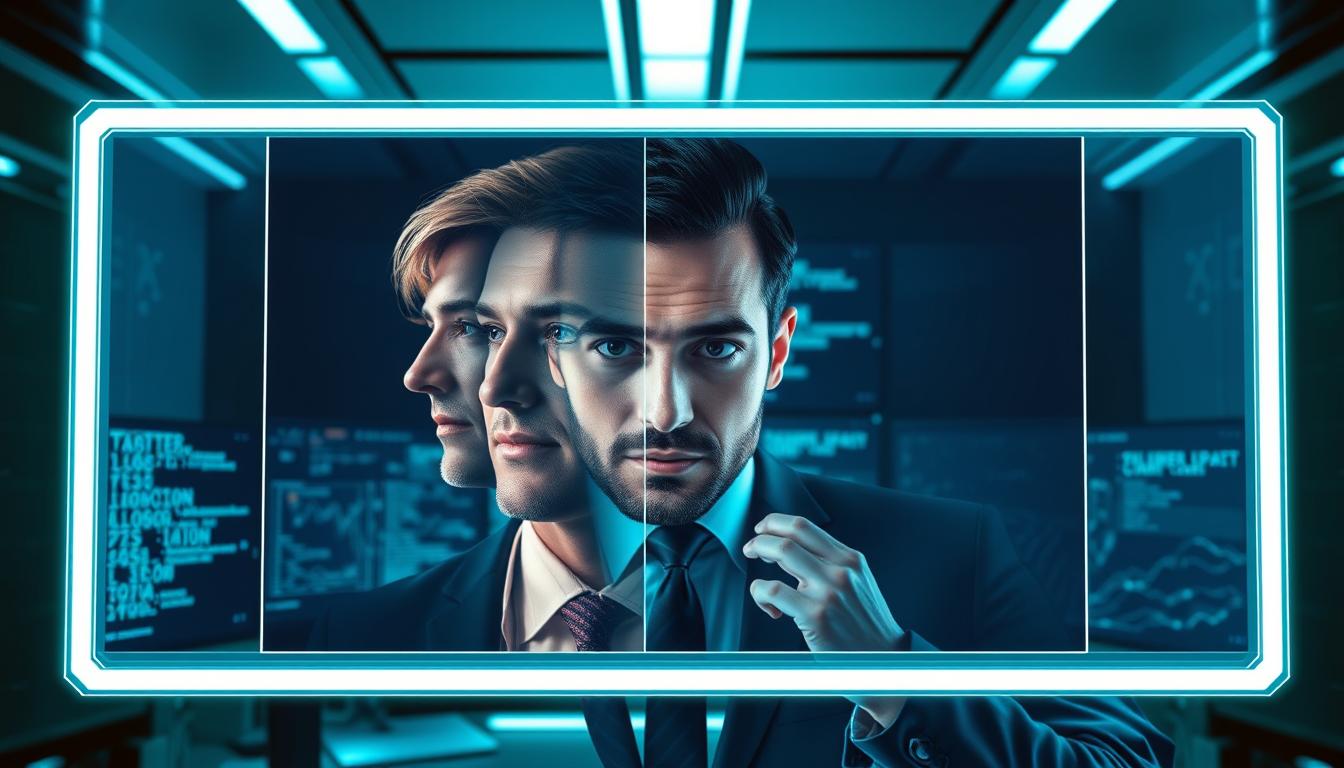
Have you ever watched a video and wondered if it was real or manipulated? With the rise of deepfake technology, it’s becoming increasingly difficult to distinguish between authentic and fabricated content.
A deepfake is a video, sound, or image of a real person that has been digitally manipulated through artificial intelligence (AI), to convincingly misrepresent an individual or organization. As deepfake videos become more sophisticated, concerns about their potential impact are growing.
This article aims to provide a comprehensive overview of deepfakes, addressing common questions and concerns. We’ll explore what deepfakes are, how they’re created, and their implications, helping you understand the potential risks and benefits associated with this technology.
Key Takeaways
- Understanding what deepfakes are and how they’re created
- The potential risks and benefits associated with deepfake technology
- How to identify deepfake videos
- The implications of deepfakes on individuals and organizations
- The importance of education and awareness about deepfakes
What Are Deepfakes?
In the realm of digital media, deepfakes represent a cutting-edge technology that can convincingly alter video and audio content. This innovation has sparked a mix of fascination and concern across various sectors, from entertainment to cybersecurity.
Definition of Deepfake Technology
Deepfake technology utilizes artificial intelligence (AI) and deep learning algorithms to create sophisticated digital manipulations. At its core, deepfake technology involves the use of deepfake software and deepfake AI to generate convincing yet fabricated content. This is achieved through complex processes that analyze and replicate the patterns found in original audio and video recordings.
The creation of deepfakes typically involves a deepfake generator, a tool that employs AI to synthesize human-like visuals and audio. The technology has advanced to the point where it can produce highly realistic results, making it challenging to distinguish between authentic and manipulated content.
Common Uses of Deepfakes
Deepfakes have a variety of applications across different industries:
- Entertainment: Deepfakes are used in movies and TV shows to create realistic special effects or to revive deceased actors.
- Education: They can be utilized to create engaging educational content, such as historical reenactments or interactive learning materials.
- Marketing: Deepfakes can be employed to create personalized advertisements or to dub commercials in different languages.
- Social Media: Users can create and share deepfakes for entertainment purposes, such as creating funny videos or parodies.
As noted by a recent study, “The use of deepfakes in entertainment has opened up new avenues for creativity, but it also raises concerns about the potential for misinformation.”
“The line between reality and fiction is becoming increasingly blurred with the advent of deepfake technology.”
| Industry | Application of Deepfakes | Potential Impact |
|---|---|---|
| Entertainment | Special effects, reviving deceased actors | Enhanced viewer experience, new creative possibilities |
| Education | Interactive learning materials, historical reenactments | More engaging educational content |
| Marketing | Personalized advertisements, dubbing in different languages | Increased customer engagement, broader market reach |
As deepfake technology continues to evolve, it’s crucial to understand both its potential benefits and the challenges it poses. By staying informed, we can better navigate the implications of this powerful technology.
How Are Deepfakes Created?
The creation of deepfakes involves a complex process that utilizes AI algorithms to manipulate existing content. This process requires significant computational power and sophisticated software.
To start, fraudsters need authentic footage or audio of their intended victim, often sourced from online platforms or social media. This initial step is crucial as it provides the raw material necessary for creating a convincing deepfake.
The Role of AI in Deepfake Production
Artificial Intelligence (AI) plays a pivotal role in the production of deepfakes. AI algorithms are used to analyze and manipulate the facial features, voice, and other characteristics of the target individual. This is done by training the AI on a dataset of images or videos of the person, allowing it to learn their expressions, mannerisms, and speech patterns.
The sophistication of AI technology has made it increasingly easier to create deepfakes that are difficult to distinguish from real media. As AI continues to evolve, the quality and realism of deepfakes are likely to improve.
Key Tools and Software for Making Deepfakes
Several tools and software are available for creating deepfakes, ranging from open-source programs to commercial applications. Some of the most popular tools include those that utilize deep learning algorithms to generate highly realistic forgeries.
- Deep learning-based software that can create highly realistic deepfakes.
- Open-source tools that are freely available for individuals to create and share deepfakes.
- Commercial applications that offer advanced features for deepfake creation.
As these tools become more accessible, the barrier to creating deepfakes continues to lower, making it a growing concern for individuals and organizations alike.
The Evolution of Deepfake Technology
As AI continues to advance, deepfake technology is becoming increasingly sophisticated, raising both intrigue and concern. This section delves into the historical background of deepfakes and explores how advances in artificial intelligence have propelled this technology forward.
Historical Background
Deepfake technology has its roots in early AI research, particularly in the areas of machine learning and computer vision. Initially, the technology was used for benign purposes, such as entertainment and education. However, over time, its potential for misuse became apparent.
Experts have noted an “explosion” of deepfakes in recent years, with the technology becoming more accessible to the general public. This has led to a surge in deepfake examples appearing in various media, from deepfake news reports to manipulated videos shared on social media platforms.
Advances in Artificial Intelligence
The rapid progress in AI has been a key driver behind the evolution of deepfake technology. Techniques such as deep learning have enabled the creation of highly realistic fake videos and audio recordings. For instance, Mr Deepfake has become a notable figure associated with the creation and dissemination of deepfakes.
| Year | Milestone in Deepfake Technology | Impact |
|---|---|---|
| 2017 | First deepfakes appear online | Initial shock and curiosity |
| 2019 | Deepfake technology becomes more accessible | Surge in deepfake creation and sharing |
| 2021 | Advances in AI improve deepfake quality | Increased realism and potential for misuse |
The evolution of deepfake technology is a complex and multifaceted issue, driven by advances in AI and machine learning. As this technology continues to evolve, it’s crucial to stay informed about its developments and potential implications.
Ethics and Deepfakes
As deepfake technology advances, the need to address its ethical dimensions becomes increasingly urgent. The creation and dissemination of deepfakes raise significant ethical concerns, particularly regarding privacy and misinformation.
Potential for Misuse
Deepfakes have the potential to be misused in various ways, including the creation of non-consensual explicit content. A recent case involving deepfake nude photos of Singapore Sports School students, created and circulated by schoolmates, highlights the severity of this issue.
The misuse of deepfake AI for such purposes can have devastating effects on individuals, causing emotional distress and damage to their reputation.
Impact on Privacy
The impact of deepfakes on privacy is a pressing concern. With the ability to create convincing fake videos or audio recordings, the line between reality and fabrication becomes increasingly blurred.
The use of deepfake generators for malicious purposes can lead to the erosion of trust in digital media, making it challenging to discern what is real and what is fabricated.
| Ethical Concern | Description | Potential Impact |
|---|---|---|
| Misinformation | Deepfakes can be used to spread false information. | Erosion of trust in media, potential for social unrest. |
| Privacy Violation | Creation of non-consensual content using deepfakes. | Emotional distress, reputational damage. |
| Security Risks | Deepfakes can be used for phishing or other malicious activities. | Financial loss, compromised personal data. |
The need for regulations and guidelines to govern the use of deepfakes is evident. By understanding the ethical implications of deepfakes and working towards mitigating their potential misuse, we can help ensure that this technology is used responsibly.
How to Spot a Deepfake
As deepfakes become increasingly sophisticated, identifying them requires a keen eye for detail. The challenge of distinguishing between real and fake content is growing, but there are methods to detect deepfakes.
Signs of Deepfake Manipulation
Several signs can indicate if a video or audio is a deepfake. These include inconsistent lighting, unnatural facial expressions, and lip-syncing issues. Additionally, deepfakes often lack the subtle emotional cues present in genuine recordings.
Other indicators can be found in the audio, such as inconsistent tone or pitch, and in the video, such as blurriness around the edges of the face or unnatural head or body movements. Being aware of these signs can help in identifying deepfakes.
| Signs of Deepfake Manipulation | Description |
|---|---|
| Inconsistent Lighting | Lighting that doesn’t match the surroundings or changes abruptly. |
| Unnatural Facial Expressions | Expressions that seem forced or not in line with the audio. |
| Lip-Syncing Issues | Lips not syncing properly with the spoken words. |
Tools for Detecting Deepfakes
Several tools and software are being developed to detect deepfakes, utilizing AI and machine learning to analyze media for signs of manipulation. Santander has warned that while generators and software for creating deepfakes are widely available, making it easier for fraudsters to create convincing deepfakes, detection tools are also advancing.
Some of these tools can analyze video and audio files for inconsistencies that are not visible to the naked eye. As deepfake technology evolves, so too will the tools for detecting them, in a continuous cat-and-mouse game.
Legal Issues Surrounding Deepfakes
The legal issues surrounding deepfakes are multifaceted, involving both the technology’s potential for misuse and the need for effective regulation. As deepfakes continue to evolve, they pose significant challenges to existing legal frameworks, particularly in areas such as defamation, harassment, and privacy.
Current Laws and Regulations
Currently, laws and regulations regarding deepfakes vary significantly across different jurisdictions. In the United States, for example, there is no federal law specifically targeting deepfakes, although some states have begun to introduce their own legislation. California and Texas have passed laws prohibiting the use of deepfakes in certain contexts, such as elections and pornography. Internationally, countries like Singapore are also exploring legal avenues to address the challenges posed by deepfakes.
Lawyer Chooi Jing Yen, Director of Chooi Jing Yen LLC, has highlighted the importance of legal recourse for victims of deepfake misuse. According to Chooi, “Victims of deepfakes may have legal recourse through laws related to defamation, harassment, and privacy. However, the effectiveness of these laws in addressing deepfake-related issues can vary.”
Cases of Legal Action
There have been several notable cases of legal action involving deepfakes. For instance, in 2020, a deepfake video of Mark Zuckerberg appeared online, sparking concerns about the potential misuse of such technology. While this particular incident did not lead to legal action, it highlighted the need for robust legal frameworks to address deepfake-related issues.
Some key cases involving deepfakes include:
- A high-profile celebrity deepfake pornography case, which led to discussions about the need for specific legislation addressing deepfake porn.
- A political deepfake case, where a deepfake video was used to manipulate public opinion, raising questions about the use of deepfakes in political contexts.
These cases underscore the complex legal landscape surrounding deepfakes and the need for ongoing legal innovation to address the challenges they pose.
The Future of Deepfakes
With the continuous improvement in deepfake generator tools, the line between reality and manipulated media is becoming increasingly blurred. As we look to the future, it’s essential to consider the potential developments in deepfake technology and their far-reaching implications.
Predictions for Technology Development
Experts predict that deepfake AI will become even more sophisticated, allowing for the creation of highly realistic videos and audio recordings. Some of the anticipated advancements include:
- Improved facial recognition and replication
- Enhanced audio synthesis for more realistic deepfakes
- Increased accessibility of deepfake tools for the general public
These advancements will likely be driven by the ongoing development of AI and machine learning technologies. As deepfake technology becomes more refined, we can expect to see new applications across various industries.
Possible Social Implications
The potential social implications of deepfakes are vast and varied. Some of the possible consequences include:
- Increased misinformation and fake news
- Potential for fraud and identity theft
- Impact on the entertainment industry, with new opportunities for special effects
As deepfake technology continues to evolve, it’s crucial for society to be aware of these potential implications and to develop strategies for mitigating any negative effects. By understanding the future of deepfakes, we can better prepare for the challenges and opportunities they will bring.
Deepfakes vs. Fake News
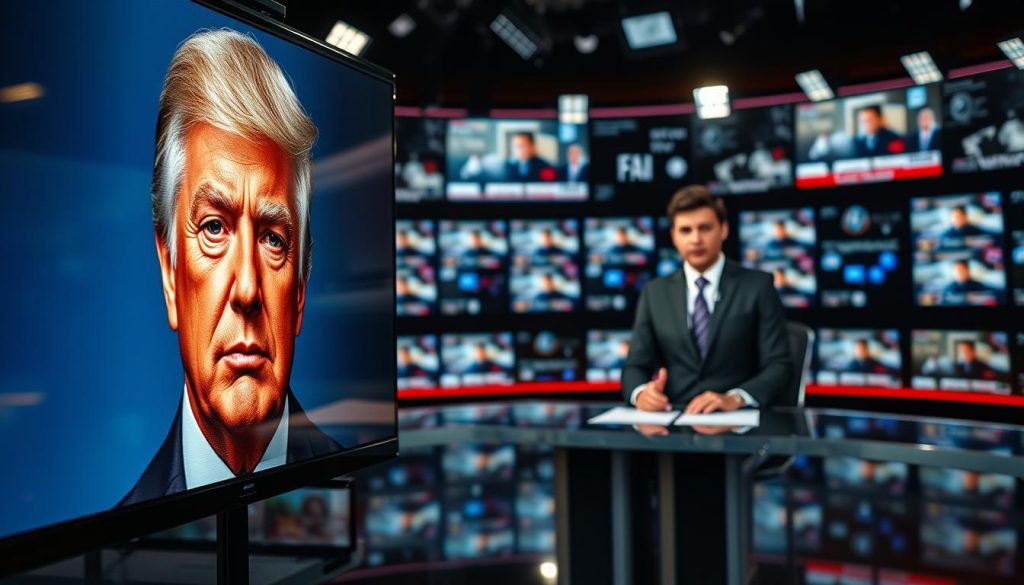
The rise of deepfakes has sparked a critical debate about the distinction between deepfake news and traditional fake news. As we navigate the complexities of the digital age, understanding the differences between these two concepts is crucial for mitigating the spread of misinformation.
Understanding the Differences
Deepfakes and fake news, though related, are distinct phenomena. Fake news typically refers to false information spread through traditional news channels or social media, often with the intent to deceive or manipulate public opinion. Deepfakes, on the other hand, involve the use of artificial intelligence to create or alter video, audio, or image content to make it appear realistic and authentic.
Key differences between deepfakes and fake news:
- Medium: Fake news is often text-based, while deepfakes involve multimedia content.
- Technology: Deepfakes rely on advanced AI technology, whereas fake news can be created without sophisticated tools.
- Impact: Deepfakes can be more convincing due to their multimedia nature, potentially leading to more significant manipulation.
Addressing Misinformation
To combat the spread of deepfake news and other forms of misinformation, it’s essential to adopt a critical approach to consuming online content. Here are some strategies:
- Verify sources: Check if the content comes from a reputable source.
- Look for corroboration: See if other credible sources are reporting the same information.
- Be cautious of emotional triggers: Content designed to elicit strong emotions can be a tactic used to spread misinformation.
According to a report by the MIT Technology Review, “the spread of deepfakes could fundamentally alter the way we think about video and audio evidence.” This highlights the need for vigilance and critical thinking when encountering online content.
“The difference between a deepfake and fake news is not just about technology; it’s about the intent and the impact on the audience.”
| Characteristics | Deepfakes | Fake News |
|---|---|---|
| Medium | Multimedia (video, audio, images) | Primarily text-based |
| Technology | Advanced AI technology | Can be created without sophisticated tools |
| Impact | High potential for manipulation due to realistic nature | Varies depending on credibility and context |
By understanding the differences between deepfakes and fake news, and by employing strategies to critically evaluate online content, we can better navigate the complex digital landscape and reduce the spread of misinformation.
Deepfakes in Entertainment
With the advent of sophisticated deepfake AI, the entertainment industry is witnessing a paradigm shift in content production. Deepfakes are being increasingly used to create convincing visual effects, revive deceased actors, and even generate entirely new characters.
The use of deepfake software and deepfake generators is becoming more prevalent, allowing creators to push the boundaries of storytelling. This technology is not only limited to big-budget productions but is also accessible to independent filmmakers and artists.
Use in Movies and TV Shows
In the realm of movies and TV shows, deepfakes are being utilized to create realistic special effects, reducing the need for costly reshoots and enabling the recreation of historical figures or deceased actors. For instance, deepfake technology was used to de-age actors in several films, making characters appear younger or older as needed.
- Reviving deceased actors for continued roles in films and TV series.
- Creating realistic digital doubles for stunts and complex scenes.
- Enhancing visual effects with highly realistic character animations.
Deepfakes in Music Videos
Music video creators are also embracing deepfake technology to produce innovative and captivating content. Deepfakes allow artists to explore new narratives and visual styles that were previously challenging or impossible to achieve.
Some notable applications include:
- Transforming artists into different characters or personas.
- Creating surreal and fantastical elements within the narrative.
- Enabling the recreation of iconic scenes or characters from other works.
As deepfake generators become more sophisticated and accessible, we can expect to see even more creative applications of this technology in the entertainment industry.
Deepfakes and Social Media
As deepfake technology advances, social media platforms face growing pressure to address the spread of manipulated content. The proliferation of deepfakes on these platforms has raised significant concerns regarding their potential impact on users and society at large.
Platform Responses to Deepfakes
Social media companies are taking various steps to combat the spread of deepfakes. Some of the measures include:
- Implementing AI-powered detection tools to identify and flag deepfake content.
- Enhancing community guidelines to explicitly prohibit deepfake content.
- Collaborating with fact-checking organizations to verify the authenticity of content.
For instance, some platforms are using deepfake detection algorithms to automatically identify and remove deepfake content. However, the effectiveness of these measures is still being evaluated.
Trends in Deepfake Sharing
The way deepfakes are shared on social media is evolving. Some notable trends include:
- The increasing use of deepfakes for political manipulation and misinformation.
- A rise in deepfakes being used for entertainment purposes, such as in parody videos.
- The emergence of deepfake communities where users share and discuss deepfake content.
Understanding these trends is crucial for developing effective strategies to mitigate the risks associated with deepfakes on social media.
The Role of Public Awareness
The role of public awareness in addressing deepfakes cannot be overstated. As we’ve seen in previous sections, deepfakes have the potential to mislead and manipulate. Therefore, it’s crucial that the public is well-informed about what deepfakes are and how they can be identified.
Recent surveys have shown that over half of Brits have either not heard of the term deepfake or misunderstood its meaning. This lack of understanding highlights the need for education and awareness campaigns to inform the public about the risks and realities of deepfake technology.
Importance of Education on Deepfakes
Educating the public about deepfakes is essential for several reasons:
- It helps individuals to critically assess the media they consume.
- It reduces the spread of misinformation through deepfakes.
- It promotes a more informed public discourse on the topic.
To effectively educate the public, it’s not just about disseminating information but also about ensuring that the information is accessible and understandable. This can involve using clear, simple language and providing examples of deepfakes, such as those found on Mr Deepfake platforms.
How to Talk About Deepfakes
Discussing deepfakes with others can be challenging, but it’s an important part of raising awareness. Here are some tips:
- Start with the basics: Explain what deepfakes are and how they’re made.
- Use examples: Share deepfake examples to illustrate the concept.
- Discuss the implications: Talk about how deepfakes can be used and their potential impact on society.
- Stay up-to-date: Reference the latest deepfake news to keep the conversation current.
By engaging in open and informed discussions about deepfakes, we can foster a more aware and cautious public. This, in turn, can help mitigate some of the risks associated with deepfake technology.
Deepfake Horror Stories
Several high-profile cases have highlighted the darker side of deepfake technology. The creation and dissemination of deepfakes have led to significant harm to individuals, communities, and society as a whole.

Notable Examples of Harmful Deepfakes
One of the most disturbing examples is the creation of deepfake nude photos of students, such as those from the Singapore Sports School. This incident underscores the potential for deepfakes to be used in harmful and invasive ways.
Other notable cases include:
- Deepfakes used in political manipulation, creating fake videos of public figures.
- The use of deepfakes to create revenge porn, causing significant distress to the individuals involved.
- Deepfakes used in financial scams, where fake videos are used to deceive and defraud.
Lessons Learned from These Cases
These examples highlight the need for greater awareness and regulation of deepfake technology. It is crucial to develop and implement effective methods for detecting deepfakes and to educate the public about the potential risks.
Some key lessons include:
- The importance of verifying the authenticity of video and audio content.
- The need for stronger legal frameworks to address the misuse of deepfakes.
- The role of technology companies in preventing the spread of harmful deepfakes.
By understanding these cases and the lessons they provide, we can work towards mitigating the negative impacts of deepfake technology.
Expert Opinions on Deepfakes
The rise of deepfakes has sparked intense debate among industry leaders and ethical experts. As deepfake AI technology continues to evolve, concerns about its implications are growing. In this section, we will explore the insights from industry leaders and the perspectives from ethical experts on the matter.
Insights from Industry Leaders
Industry leaders have been vocal about the potential risks and benefits associated with deepfake generator tools. According to a recent statement by a prominent tech executive, “The development of deepfakes is a double-edged sword; while it offers unprecedented opportunities for creative expression, it also poses significant challenges for content verification.”
“The line between reality and fiction is becoming increasingly blurred with the advent of deepfakes.”
Industry experts emphasize the need for robust deepfake detection mechanisms to mitigate the risks associated with these manipulated videos. They suggest that advancements in AI can help develop more sophisticated detection tools.
Perspectives from Ethical Experts
Ethical experts are concerned about the potential misuse of deepfakes, particularly in the context of misinformation and privacy violations. “The ability to create convincing deepfakes challenges our traditional notions of truth and authenticity,” notes an ethicist. “It is crucial that we develop ethical frameworks to guide the use of this technology.”
Ethicists argue that transparency and accountability are key to ensuring that deepfakes are used responsibly. They advocate for stricter regulations and public education campaigns to raise awareness about the potential harms of deepfakes.
As the debate around deepfakes continues, it is clear that a collaborative approach is needed. By bringing together industry leaders, ethical experts, and policymakers, we can work towards a future where deepfakes are used in a way that benefits society while minimizing harm.
Resources for Further Learning
For those interested in delving deeper into the world of deepfakes, numerous resources are available to enhance understanding of this complex technology. Exploring deepfake software and deepfake technology can provide insights into how these videos are created and disseminated.
Recommended Reading
Several publications and research papers offer in-depth analysis on the implications and mechanics of deepfakes. Readers can explore articles on platforms like Mr Deepfakes, which provide a wealth of information on the subject.
Online Courses and Tutorials
To gain hands-on experience, online courses and tutorials are available that cover the basics of creating deepfakes using various deepfake software. These resources are invaluable for understanding the intricacies of deepfake technology and its potential applications.