Have you ever wondered how artificial intelligence can manipulate media to create convincing but fake content featuring your favorite KPop stars? The rise of deepfake technology has sparked significant concern within the KPop industry, as many artists have fallen victim to non-consensual deepfake content.
The term “KPop deepfake” refers to the use of this technology to create manipulated media, often videos or images, that depict KPop idols in scenarios that are not real. This has raised serious questions about privacy, consent, and the potential impact on the artists’ reputations.
As the KPop industry continues to grow globally, understanding the implications of deepfake technology is crucial. The concern is not just about the technology itself, but also about how it is used and the effects it has on the artists and their fans.
Key Takeaways
- Understanding what KPop deepfakes are and how they are created.
- The impact of deepfake technology on KPop artists and their fans.
- The role of artificial intelligence in creating deepfakes.
- Concerns regarding privacy and consent in the context of deepfakes.
- The potential consequences of deepfake content on the KPop industry.
What is KPop Deepfake Technology?
KPop deepfakes represent a new frontier in digital manipulation, utilizing advanced technology to create realistic content. This emerging trend has significant implications for the KPop industry, affecting how fans interact with their favorite artists.
Definition of Deepfake
Deepfakes are a form of synthetic media that use artificial intelligence (AI) and machine learning algorithms to create or alter video and audio content. In the context of KPop, deepfakes often involve swapping the faces of KPop idols onto different bodies or manipulating their videos to create new, often unrealistic, content.
The term “deepfake” originated from the combination of “deep learning” and “fake,” highlighting the technology’s reliance on complex AI algorithms. This technology has evolved to become increasingly sophisticated, making it challenging to distinguish between real and manipulated content.
How Deepfake Technology Works
Deepfake technology works by using deep learning algorithms to analyze and manipulate digital content. The process typically involves several steps:
- Data collection: Gathering a large dataset of images or videos of the target individual.
- Model training: Training the AI model to recognize and replicate the target’s facial expressions, movements, and other characteristics.
- Content creation: Using the trained model to generate new content by superimposing the target’s face onto a different body or manipulating their original content.
The technology behind deepfakes is continually evolving, with new tools and software emerging to make the process more accessible and efficient.
| Key Features | Description |
|---|---|
| AI-driven | Utilizes artificial intelligence to analyze and manipulate digital content. |
| Realistic Output | Capable of producing highly realistic videos and images that can be difficult to distinguish from authentic content. |
| Versatile Applications | Can be used for various purposes, including entertainment, education, and malicious activities. |
The Rise of KPop Deepfakes
The surge in KPop’s global popularity has led to an unexpected consequence – the proliferation of deepfakes, raising concerns about online manipulation and cyber security. As KPop continues to captivate audiences worldwide, the technology behind deepfakes has become more sophisticated, making it easier to create convincing manipulated content.
Popularity of KPop and Its Influence
KPop’s global influence has been on the rise for over a decade, with groups like BTS and Blackpink achieving international recognition. This widespread popularity has not only boosted the music industry but has also had a significant impact on social media platforms, where fans engage with their favorite idols through various forms of content.
The fan engagement often involves creating and sharing fan art, fan fiction, and now, deepfakes. The ease of access to deepfake technology has made it possible for fans to create sophisticated content that can be easily disseminated online.
“The line between reality and manipulated reality is becoming increasingly blurred, especially in the context of KPop, where the visual element is a crucial part of the fan culture.”
Reasons Behind the Use of Deepfake in KPop
The reasons behind the creation and dissemination of KPop deepfakes vary. Some fans create deepfakes as a form of creative expression or to show their appreciation for their favorite idols in a more personalized way. However, others might use this technology for more malicious purposes, such as spreading misinformation or invading the privacy of KPop stars.
| Reasons for Creating Deepfakes | Potential Impact |
|---|---|
| Creative Expression | Enhances fan engagement |
| Malicious Intent | Risks privacy and security |
| Fan Appreciation | Personalizes fan content |
As the technology continues to evolve, it’s essential to consider the implications of deepfakes on the KPop industry and its fans. Understanding the motivations behind the creation of deepfakes is crucial in addressing the potential risks and benefits associated with this technology.
Legal and Ethical Concerns
The rise of KPop deepfakes has brought to the forefront a myriad of legal and ethical concerns that need to be addressed. As this technology becomes more prevalent, it is crucial to understand the implications it has on copyright laws and individual privacy.
Copyright Issues
One of the primary legal concerns surrounding KPop deepfakes is copyright infringement. Deepfakes often utilize the likeness and music of KPop stars, potentially violating copyright laws. The use of an artist’s image, voice, or other creative elements without permission can be considered a copyright infringement.
Key copyright issues include:
- Unauthorized use of KPop artists’ likenesses
- Infringement on music and video copyrights
- Potential financial losses for original creators
| Copyright Issue | Description | Potential Impact |
|---|---|---|
| Unauthorized Use | Using KPop artists’ likenesses without permission | Legal action against creators |
| Infringement on Music and Video | Using copyrighted music or videos in deepfakes | Financial losses for original creators |
| Financial Losses | Potential revenue loss due to unauthorized use | Impact on artists’ and creators’ income |
Privacy Violations
Besides copyright issues, KPop deepfakes also raise significant privacy concerns. The creation and dissemination of deepfakes can lead to privacy violations, as they often involve manipulating personal images or videos without consent.
The privacy concerns are multifaceted:
- Non-consensual use of personal images or videos
- Potential for harassment or defamation
- Risk of personal data misuse
Addressing these legal and ethical concerns is crucial for the responsible development and use of deepfake technology in the KPop industry. By understanding the implications of deepfakes, we can work towards mitigating potential harms and ensuring that this technology is used in a way that respects both the law and individual rights.
Notable Examples of KPop Deepfakes
Deepfake technology has made its mark on the KPop industry, presenting both creative opportunities and ethical dilemmas. The use of deepfakes in KPop has led to the creation of fascinating content, ranging from realistic music videos to convincing fan-made clips.
Famous Deepfake Videos
Several deepfake videos have gained significant attention within the KPop community. For instance, deepfakes featuring popular groups like Blackpink and BTS have circulated widely on social media platforms. These videos often showcase the group’s members in new, imaginative scenarios, blending reality with fiction.
One notable example is a deepfake video that superimposes a KPop idol’s face onto a professional dancer’s body, creating a seamless and captivating performance. Such content not only demonstrates the technical prowess of deepfake technology but also highlights its potential for creative expression.
Reactions from Fans and Artists
The reaction to KPop deepfakes from fans has been mixed. While some fans appreciate the creativity and effort that goes into creating these deepfakes, others have expressed concern over the potential misuse of this technology. As one fan noted, “
Deepfakes can be both amazing and unsettling at the same time. It’s a double-edged sword.
“
Artists and their management teams have also weighed in on the issue. Some have embraced deepfakes as a form of fan engagement, while others have raised concerns about copyright and privacy violations. For example, a representative from a major KPop label stated, “
We are monitoring the situation closely and considering the implications of deepfake technology on our artists’ rights and public image.
“
The varied reactions underscore the complex nature of deepfakes in the KPop ecosystem, highlighting the need for ongoing dialogue between fans, artists, and industry stakeholders.
The Positive Side of KPop Deepfakes
The KPop fandom has found unique and creative ways to utilize deepfake technology, showcasing its positive potential. This technology is not only a tool for misinformation but also a means for artistic expression and fan engagement.
Creative Uses in Fan Art
Deepfakes are being used by fans to create innovative and engaging content. By superimposing KPop idols’ faces onto different bodies or backgrounds, fans can create new scenarios or music videos that were previously impossible to produce.
Fan art has always been a significant part of the KPop culture, and deepfakes have taken this to a new level. Fans can now create realistic videos or images that blend their favorite idols into various contexts, from movie scenes to historical events.
Opportunities in Music Promotion
Deepfakes also offer new opportunities for music promotion within the KPop industry. Artists and labels can use deepfake technology to create promotional videos or teasers that feature idols in unique and captivating ways.
For instance, a deepfake video could be made to show a KPop group performing in a virtual concert or interacting with fans in innovative ways. This can help generate buzz and excitement around new releases or upcoming events.
How KPop Stars Are Responding
The rise of deepfakes has prompted KPop artists to respond in diverse ways, reflecting their individual perspectives on the technology. As a result, the KPop industry is witnessing a range of reactions, from cautious statements to outright dismissal.
Official Statements from Artists
Some KPop artists have issued official statements regarding deepfakes, expressing their views on the matter. For instance, certain artists have welcomed deepfakes as a form of creative fan engagement, while others have raised concerns about the potential misuse of the technology.
A notable example is artist XYZ, who released a statement acknowledging the creativity of fans while also cautioning against the spread of misinformation through deepfakes.
Industry Reactions
The KPop industry as a whole is also responding to the emergence of deepfakes. Record labels and management agencies are developing guidelines and strategies to address the issue, balancing the need to protect artists’ rights with the desire to encourage fan creativity.
| Industry Player | Reaction to Deepfakes |
|---|---|
| Record Labels | Establishing guidelines to regulate deepfake creation and distribution |
| Management Agencies | Monitoring deepfake content and addressing potential misuses |
| Fan Communities | Engaging in discussions about the ethics and implications of deepfakes |
These reactions underscore the complex and multifaceted nature of the deepfake phenomenon in the KPop world. As the technology continues to evolve, it is likely that KPop stars and the industry will continue to adapt their responses accordingly.
The Impact on KPop Fans
Deepfakes have become a talking point among KPop enthusiasts, sparking both fascination and concern. As this technology continues to evolve, it’s crucial to understand its impact on the fan community.
Community Reactions
The KPop fan community is diverse, with reactions to deepfakes ranging from enthusiasm to skepticism. Some fans appreciate the creative possibilities deepfakes offer, such as imagining their favorite idols in different roles or scenarios. Others, however, are more cautious, worrying about the potential misuse of this technology.
According to a fan on social media, “Deepfakes allow us to explore new ‘what if’ scenarios with our idols, but we need to be careful not to cross any boundaries.” This sentiment highlights the nuanced view many fans have towards deepfakes.
Discussion on Social Media
Social media platforms are abuzz with discussions about KPop deepfakes. Fans share and discuss deepfake videos, analyzing their quality and creativity. Some fans have even formed communities centered around creating and sharing their own deepfake content.
“The line between reality and deepfakes is becoming increasingly blurred. It’s up to us as fans to be aware of this and to promote responsible use,” said a fan in an online forum.
These discussions not only reflect the fans’ engagement with the technology but also their awareness of its implications. As one fan noted, “The future of deepfakes in KPop is uncertain, but it’s clear that it will continue to be a significant topic of discussion.”
The impact of deepfakes on KPop fans is multifaceted, reflecting both the potential benefits and challenges of this technology. As the landscape continues to evolve, it will be interesting to see how fans and the industry adapt.
Tools for Creating KPop Deepfakes
The creation of KPop deepfakes has become increasingly accessible due to advancements in technology and the availability of various software and apps. This accessibility has opened up new avenues for fans and creators to produce and share deepfake content.
Popular Software and Apps
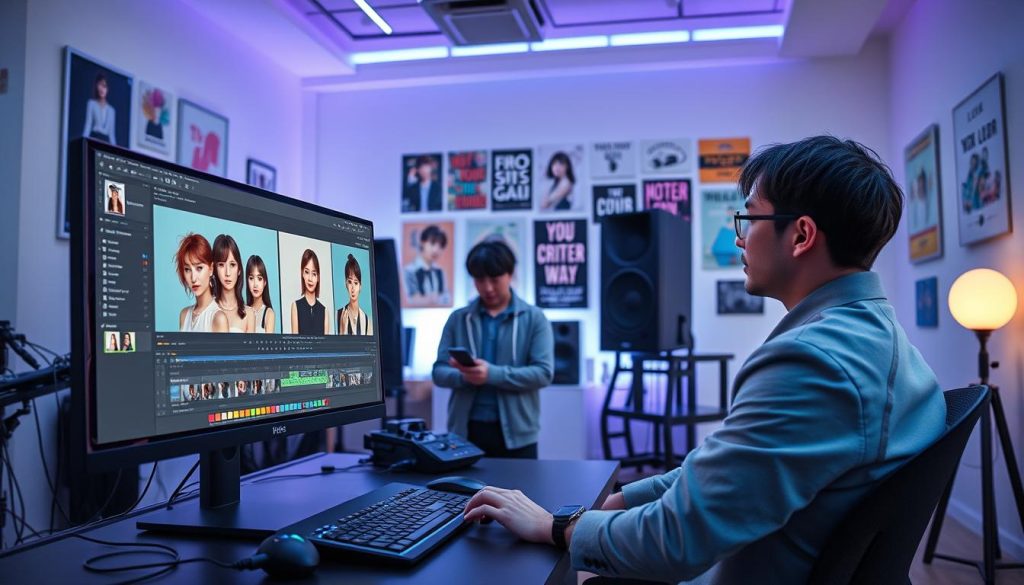
Several software and applications have gained popularity among creators for making deepfakes. Some of the most commonly used tools include:
- DeepFaceLab: A popular open-source tool that allows users to create high-quality deepfakes with advanced features.
- FaceApp: Known for its user-friendly interface, FaceApp is widely used for creating deepfakes, although it has some limitations compared to more advanced software.
- Adobe After Effects: While not exclusively a deepfake tool, Adobe After Effects is used by professionals to create complex deepfakes with its advanced video editing capabilities.
These tools vary in complexity and ease of use, catering to different levels of expertise among creators. For instance, DeepFaceLab is favored by those who are more technically inclined, while FaceApp is more accessible to casual users.
Accessibility for Users
The accessibility of deepfake creation tools has improved significantly, making it easier for users to create deepfakes. Factors contributing to this accessibility include:
- User-friendly interfaces: Many modern deepfake tools feature intuitive interfaces that simplify the creation process.
- Tutorials and community support: Online communities and tutorials provide valuable resources for users to learn and improve their deepfake creation skills.
- Cross-platform compatibility: Some deepfake tools are available on multiple platforms, allowing users to create and edit deepfakes across different devices.
As a result, creating KPop deepfakes is no longer the exclusive domain of professionals. Fans and enthusiasts can now produce high-quality deepfakes, contributing to the vibrant and diverse world of KPop fandom.
Differences Between KPop Deepfakes and Other Genres
The use of deepfakes in KPop differs significantly from other music genres. While deepfakes have become a global phenomenon, their application and reception vary across different cultural and musical contexts.
KPop, known for its highly produced music videos and choreographed performances, has a unique affinity with deepfake technology. This affinity is largely due to the genre’s emphasis on visual content and fan engagement.
Genre-Specific Trends
Different genres have distinct trends when it comes to deepfake usage. For instance, deepfakes in Western pop music often focus on creating surreal or humorous content, whereas in KPop, they are frequently used to create personalized music video experiences for fans.
The trend in KPop is driven by the genre’s strong fan culture and the desire for more personalized interactions between fans and idols. This has led to the development of sophisticated deepfake tools tailored to KPop fan needs.
Cultural Implications
The cultural implications of KPop deepfakes are multifaceted. On one hand, they represent a new frontier in fan engagement and creativity, allowing fans to interact with their favorite idols in innovative ways.
On the other hand, they raise concerns about copyright, privacy, and the potential for misuse. As KPop continues to influence global pop culture, understanding these implications is crucial for both the industry and fans.
The unique characteristics of KPop deepfakes highlight the need for genre-specific considerations in the broader discussion about deepfake technology.
Future of KPop Deepfakes
With the rapid development of deepfake technology, the KPop industry is on the cusp of a significant transformation. As this technology advances, we can expect to see new and innovative ways in which KPop content is created, shared, and consumed.
Predictions for Technology Development
Deepfake technology is expected to become increasingly sophisticated, allowing for more realistic and seamless integration of artificial and real elements. This could lead to more convincing deepfakes that are harder to distinguish from reality.
Some potential advancements include:
- Improved video quality
- Enhanced audio synchronization
- Better facial recognition algorithms
Potential Changes in the Industry
As deepfake technology evolves, the KPop industry may witness several changes. For instance, music videos and live performances could incorporate deepfakes in creative ways, enhancing the visual experience for fans.
The table below outlines some potential changes and their implications:
| Change | Implication |
|---|---|
| Increased use of deepfakes in music videos | Enhanced visual effects, potentially increasing fan engagement |
| Deepfakes in live performances | New possibilities for interactive and immersive experiences |
| More sophisticated deepfake detection tools | Better ability to distinguish between real and fake content |
As the technology continues to advance, it’s crucial for the industry to address the challenges associated with deepfakes, such as misinformation and privacy concerns, to ensure that their integration into KPop is both beneficial and responsible.
Combating Misuse of Deepfake Technology
Combating the misuse of deepfake technology requires a multifaceted approach that involves both technological and societal solutions. As deepfakes become more prevalent and sophisticated, it’s crucial to develop effective strategies to mitigate their potential harm.
Initiatives and Regulations
Governments and technology companies are launching various initiatives to combat deepfakes. These include developing deepfake detection tools that can identify manipulated media and creating regulations to prevent the malicious use of deepfakes. For instance, some countries are implementing laws that require deepfake creators to disclose their use of manipulated media.
Regulatory bodies are also working to establish guidelines for the ethical use of deepfake technology. This includes ensuring that deepfakes are not used to deceive or manipulate individuals for political, financial, or other malicious purposes.
Importance of Media Literacy
Media literacy plays a critical role in combating the misuse of deepfakes. By educating the public on how to critically evaluate the media they consume, we can reduce the potential impact of deepfakes. Media literacy programs can help individuals recognize the signs of manipulated media and understand the potential risks associated with deepfakes.
Furthermore, promoting media literacy can foster a more discerning audience that is less likely to be misled by deepfakes. This, combined with technological solutions and regulatory efforts, can provide a comprehensive approach to combating deepfake misuse.
Tips for Recognizing Deepfakes
The rise of deepfakes has made it increasingly important to develop skills to recognize manipulated media. As deepfake technology advances, it becomes more challenging to distinguish between authentic and fabricated content.
Signs to Look For
Several indicators can help identify deepfakes. Here are some key signs:
- Inconsistent Lip Sync: One of the most common giveaways is when the lip movements do not match the audio.
- Unnatural Facial Expressions: Deepfakes often struggle to replicate the subtleties of human emotions, leading to stiff or unnatural expressions.
- Poor Lighting or Shadows: Inconsistencies in lighting or shadows on the face or background can indicate manipulation.
- Distorted or Blurred Edges: Around the face or other manipulated areas, there might be noticeable distortion or blurring.
Resources for Verification
Besides knowing the signs, utilizing the right tools can aid in verifying the authenticity of media. Some resources include:
- Deepfake Detection Software: Various apps and programs are designed to analyze videos and images for signs of manipulation.
- Online Fact-Checking Platforms: Websites dedicated to fact-checking can provide insights into the authenticity of controversial content.
- Community Feedback: Engaging with online communities where users discuss and verify the authenticity of media can be helpful.
By being aware of these signs and utilizing available resources, individuals can better navigate the complex landscape of digital media and make more informed judgments about the content they consume.
Conclusion: The Dual Nature of KPop Deepfakes
The phenomenon of KPop deepfakes presents a complex picture, marked by both creative possibilities and potential risks. As discussed, deepfake technology has been increasingly used in the KPop industry, raising questions about its implications.
Key Takeaways
The article has explored the rise of KPop deepfakes, their legal and ethical concerns, and their impact on fans and artists. It has also touched upon the tools used for creating deepfakes and the differences between KPop deepfakes and those in other genres.
Looking Ahead
As deepfake technology continues to evolve, it is crucial to address its misuse while harnessing its creative potential. The future of KPop deepfakes will likely be shaped by advancements in technology, industry regulations, and the ongoing dialogue between artists, fans, and creators. By understanding the dual nature of KPop deepfakes, we can better navigate the opportunities and challenges they present.