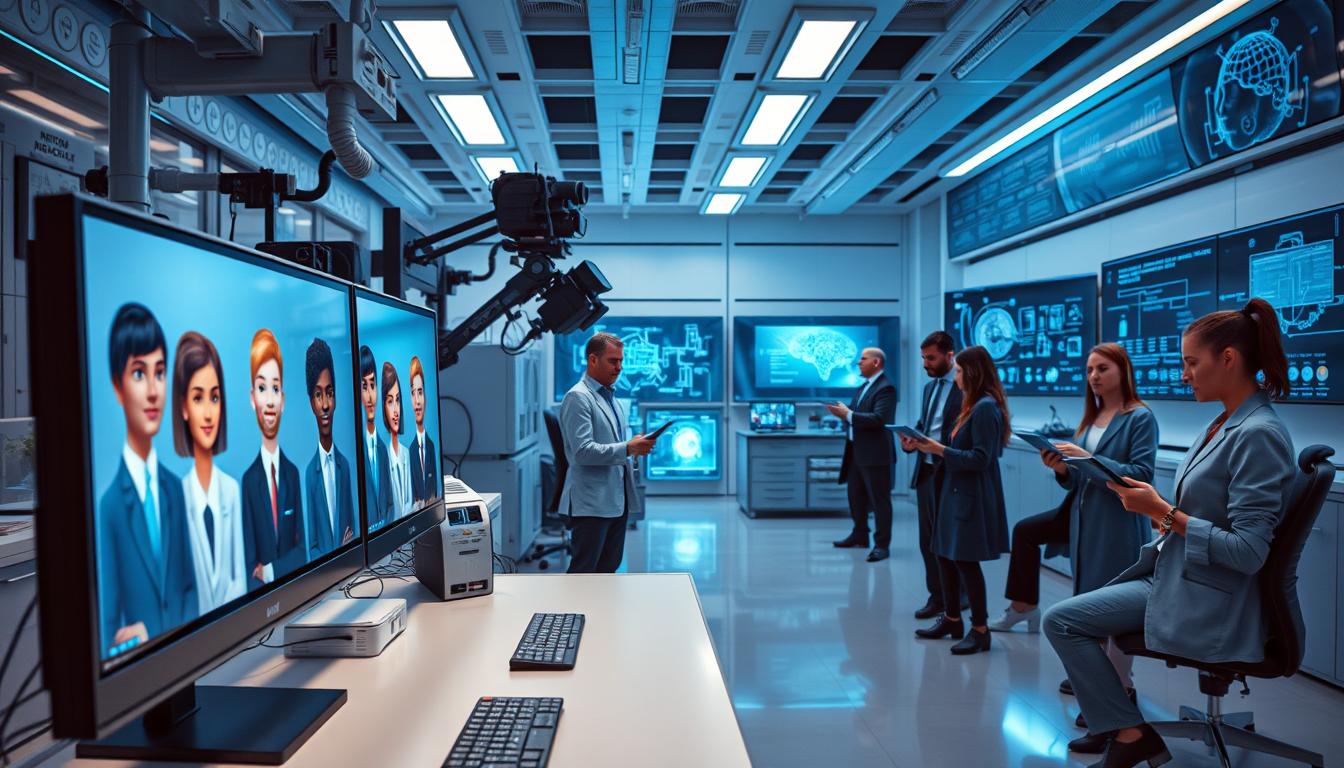
Can you trust what you see online anymore? The rise of deepfakes has thrown a wrench into our ability to discern reality from fiction. Deepfakes are synthetic media that can convincingly mimic real individuals, making it challenging to distinguish between what’s real and what’s fabricated.
These digital manipulations are not just a novelty; they have significant implications for cybersecurity, privacy, and trust in digital media. Understanding deepfake technology and its potential misuse is crucial in today’s digital landscape.
Key Takeaways
- The technology behind deepfakes and how they are created.
- The potential risks and threats associated with deepfakes.
- Methods to identify and protect against deepfakes.
- The role of deepfakes in cybersecurity and digital privacy.
- Future implications of deepfake technology.
What Are Deepfakes?
Deepfakes represent a cutting-edge technology that allows for the creation of hyper-realistic fake videos and audio recordings. This form of synthetic media has garnered significant attention due to its potential applications and implications.
Definition and Origin
Deepfakes are a subset of synthetic media that focus on manipulating or altering visual or auditory information to create convincing fake content. The term “deepfake” is derived from the words “deep learning” and “fake,” indicating the technology’s reliance on advanced AI techniques, specifically Generative Adversarial Networks (GANs).
The origin of deepfakes can be traced back to the early experiments with AI and machine learning algorithms. Initially, the technology was explored in academic and research circles, but it soon found its way into more mainstream applications, including entertainment and social media.
Technology Behind Deepfakes
The technology behind deepfakes involves complex algorithms and neural networks. At its core, deepfake creation relies on deep learning, a type of machine learning that uses neural networks to analyze and generate data. GANs, in particular, play a crucial role in this process by employing two neural networks that compete to create more accurate and realistic media.
- Key Components:
- Neural Networks: The backbone of deep learning, enabling the analysis and generation of complex data.
- GANs: A specific type of deep learning algorithm that facilitates the creation of realistic deepfakes.
- Training Data: Large datasets used to train the algorithms, allowing them to learn and improve.
Understanding the technology behind deepfakes is crucial for developing effective methods for deepfake detection. As deepfakes continue to evolve, staying informed about their capabilities and limitations is essential for mitigating their potential risks.
How Deepfakes Are Created
The process of creating deepfakes relies heavily on deep learning technologies, particularly Generative Adversarial Networks (GANs). GANs are a class of machine learning algorithms that enable the generation of highly realistic synthetic content by pitting two neural networks against each other.
Machine Learning and AI
At the heart of deepfake technology is machine learning, a subset of AI that involves training algorithms on large datasets. For deepfakes, these datasets typically consist of images or audio recordings of the person being impersonated. The AI model learns to identify and replicate the patterns, expressions, and characteristics of the target, allowing it to generate convincing forgeries.
The use of deep learning techniques, such as GANs, has significantly improved the quality and realism of deepfakes. These technologies enable the creation of sophisticated forgeries that can be challenging to detect, even for human observers.
Tools Used in Deepfake Creation
Various deepfake software and deepfake generators are available for creating deepfakes, ranging from open-source projects to commercial applications. Some popular tools include DeepFaceLab and Faceswap, which provide user-friendly interfaces for generating deepfakes. These tools leverage advanced AI algorithms to simplify the creation process, making it more accessible to a broader audience.
As deepfake technology continues to evolve, the ease of creating convincing deepfakes is likely to increase, raising concerns about their potential misuse. Understanding how deepfakes are created is crucial for developing effective countermeasures against their malicious use.
The Evolution of Deepfake Technology
From rudimentary face-swapping to sophisticated AI-generated content, deepfake technology has evolved remarkably. This evolution has been marked by significant advancements in the underlying algorithms and techniques used to create deepfakes.
Early Innovations
The early days of deepfake technology saw simple face-swapping techniques that were often rudimentary and detectable. These initial innovations laid the groundwork for more sophisticated developments. Researchers began experimenting with various machine learning algorithms to improve the quality and realism of deepfakes.
As the technology progressed, so did the complexity of the deepfake algorithm. Early adopters and researchers focused on enhancing the visual fidelity of deepfakes, making them increasingly difficult to distinguish from real footage.
Key Milestones in Development
Several key milestones have marked the development of deepfake technology. One significant advancement was the introduction of Generative Adversarial Networks (GANs), which revolutionized the field by enabling the creation of highly realistic deepfakes.
- The development of more sophisticated GAN architectures.
- Advances in training datasets and methodologies.
- Improvements in computational power and efficiency.
These milestones have collectively contributed to the rapid evolution of deepfake technology, making it a powerful tool with a wide range of applications.
Positive Uses of Deepfakes
The versatility of deepfake technology allows it to be utilized in a variety of positive ways, from filmmaking to educational simulations. While the term “deepfake” often carries negative connotations, the technology itself is neutral and can be harnessed for numerous beneficial applications.
Entertainment and Film
In the entertainment industry, deepfakes are opening up new possibilities for filmmakers. They can be used to de-age actors, allowing veteran actors to play younger versions of themselves without extensive makeup or CGI. This technology can also be used to create realistic visual effects, reducing the need for costly reshoots or production changes.
For instance, deepfakes can be used to bring historical figures to life in documentaries or films, making the content more engaging and immersive for the audience. The use of deepfakes in filmmaking is not only cost-effective but also enhances the overall viewing experience.
Education and Training Simulations
In education, deepfakes can be used to create interactive and immersive training simulations. For example, medical students can use deepfake technology to practice surgeries or patient interactions in a controlled environment. This can significantly enhance their training experience and prepare them better for real-world scenarios.
Similarly, in corporate training, deepfakes can be used to create realistic simulations for employee training, such as customer service or crisis management scenarios. This can help employees develop their skills in a more engaging and effective manner.
| Industry | Application of Deepfakes | Benefits |
|---|---|---|
| Entertainment | De-aging actors, realistic visual effects | Cost-effective, enhanced viewing experience |
| Education | Interactive training simulations | Improved training outcomes, enhanced engagement |
| Corporate Training | Realistic simulations for employee training | Skill development, better preparedness |
The Risks and Challenges of Deepfakes
As deepfake technology advances, the risks associated with its misuse grow, including the spread of misinformation and privacy violations. The sophistication of deepfakes has made it increasingly difficult to distinguish between real and fabricated content, posing significant challenges for individuals, organizations, and society as a whole.
Misinformation and Fake News
One of the most significant risks associated with deepfakes is their potential to spread misinformation and fake news. Deepfakes can be used to create convincing videos or audio recordings that appear to show individuals saying or doing things they never actually did. This can have serious implications for political discourse, public opinion, and even financial markets.
The use of deepfakes in spreading misinformation can be particularly damaging because they can be so convincing. Detecting deepfakes requires sophisticated tools and techniques, and even then, it can be challenging. As a result, it’s essential to develop and deploy effective deepfake detection tools to mitigate this risk.
Privacy Violations
Deepfakes also pose a significant risk to individual privacy. By creating convincing fake videos or audio recordings, malicious actors can violate individuals’ privacy in various ways, including by creating fake content that appears to show them in compromising or embarrassing situations.
The potential for privacy violations through deepfakes is a serious concern that requires immediate attention. It’s crucial to develop strategies to protect individuals from this type of misuse, including through the use of deepfake detection technologies and raising public awareness about the risks associated with deepfakes.
To combat the risks associated with deepfakes, it’s essential to develop a multi-faceted approach that includes technology, legislation, and public education. By working together, we can mitigate the negative impacts of deepfakes and ensure that their potential benefits are realized.
Legal Implications of Deepfakes
As deepfakes continue to proliferate, the legal community is grappling with the complex implications of this technology. The legality of deepfakes varies significantly by jurisdiction, with some countries having specific laws against non-consensual deepfake content. However, legal frameworks are still evolving and often struggle to keep pace with technological advancements.
Current Laws and Regulations
Currently, there is a patchwork of laws and regulations addressing deepfakes. Some states in the U.S. have enacted laws targeting deepfakes, particularly those used for malicious purposes such as election interference or revenge porn. For instance, California has passed laws requiring the disclosure of deepfake content in political ads and banning the use of deepfakes to manipulate elections. Similarly, countries like China have implemented strict regulations on the use of deepfake technology, requiring that such content be labeled and approved by authorities.
“The law is playing catch-up with technology,” said Senator Mark Warner, highlighting the challenges lawmakers face in regulating deepfakes without stifling free speech. The existing legal framework is often inadequate, leading to a call for more comprehensive legislation.
Proposed Legal Frameworks
Proposed legal frameworks aim to address the gaps in current legislation. One approach is to establish clear guidelines on the creation and dissemination of deepfakes, including mandatory watermarking or labeling of deepfake content. Another proposal involves enhancing penalties for the malicious use of deepfakes, such as for harassment or fraud. Furthermore, there’s a growing discussion on the need for international cooperation to tackle the global nature of deepfake technology.
- Regulating the creation and distribution of deepfakes
- Implementing stricter penalties for malicious use
- Fostering international cooperation to combat deepfakes
As the legal landscape continues to evolve, it’s crucial for lawmakers, technology companies, and civil society to collaborate in developing effective and balanced regulations. The goal is to mitigate the risks associated with deepfakes while preserving the benefits of this technology.
Deepfakes in Politics
As deepfake technology advances, its impact on politics becomes more pronounced. Deepfakes have the potential to significantly influence political landscapes, particularly during elections. They can be used to manipulate public opinion, damage reputations, or even influence voting decisions.
Impact on Elections
The use of deepfakes in political campaigns can have far-reaching consequences. Deepfake videos can be created to make it appear as though a political candidate has said or done something they haven’t, potentially swaying voters. This raises significant concerns about the integrity of electoral processes.
To mitigate these risks, it’s crucial to develop and implement effective deepfake detection methods. This involves leveraging advanced technologies, including AI and machine learning, to identify and flag manipulated content.
Case Studies of Political Deepfakes
Several high-profile cases have highlighted the potential impact of deepfakes in politics. For instance:
- A deepfake video of a prominent political figure was circulated on social media, sparking controversy and debate.
- A political campaign used a deepfake to create a misleading narrative about an opponent.
These examples underscore the need for vigilance and the development of strategies to combat the malicious use of deepfakes. By examining these case studies, we can better understand the challenges and opportunities in addressing this issue.
Effective countermeasures include:
- Improving deepfake detection technologies.
- Enhancing public awareness about the potential for deepfakes.
- Developing regulatory frameworks to address the misuse of deepfakes.
By taking a proactive and multi-faceted approach, we can mitigate the risks associated with deepfakes in politics and ensure the integrity of our democratic processes.
The Role of Social Media
The role of social media in the spread of deepfakes cannot be overstated. Social media platforms have become a crucial conduit for the dissemination of deepfakes, with their vast user bases and rapid content dissemination capabilities making them ideal grounds for both legitimate and malicious uses of deepfake technology.
While some social media platforms have taken proactive measures to detect and remove deepfakes, others struggle to keep pace with the evolving technology behind deepfake software and deepfake generators. The challenge lies in balancing the need to curb the spread of harmful deepfakes with the need to preserve freedom of expression and creativity.
Platforms’ Response to Deepfakes
Different social media platforms have adopted varying strategies in response to the deepfake phenomenon. Some have implemented advanced algorithms to detect and flag suspicious content, while others rely on user reporting mechanisms to identify potential deepfakes.
For instance, major platforms have begun to use AI-driven tools to monitor and remove content that violates their policies regarding deepfakes. However, the effectiveness of these measures varies, and the cat-and-mouse game between those creating deepfakes and the platforms trying to detect them continues.
Community Guidelines and Monitoring
Social media companies have also updated their community guidelines to address the issue of deepfakes more effectively. These guidelines often include provisions for removing content that is deemed to be harmful or misleading, with specific focus on deepfakes that could be used for misinformation or to deceive the public.
Effective monitoring of these guidelines is crucial, requiring not just technological solutions but also human oversight to ensure that the context and intent behind a deepfake are considered. This nuanced approach is necessary to differentiate between harmful deepfakes and those used for legitimate purposes, such as in entertainment or education.
As the landscape of deepfake technology continues to evolve, social media platforms must remain vigilant and adapt their strategies to combat the misuse of deepfake generators and other related tools. This includes enhancing their detection capabilities, improving user reporting mechanisms, and collaborating with experts to stay ahead of the threats posed by deepfakes.
Detecting Deepfakes
The proliferation of deepfakes has sparked a race to develop robust detection techniques, ensuring the integrity of digital media. As deepfakes become more sophisticated, the need for effective detection methods has become increasingly critical.
Techniques and Tools for Detection
Detecting deepfakes involves analyzing digital media for inconsistencies or artifacts that are not present in authentic content. Various techniques and tools have been developed for this purpose, ranging from simple visual inspections to complex algorithmic analyses. Some detection methods focus on identifying inconsistencies in the audio or video, such as lip movements that don’t match the audio or inconsistencies in the lighting.
Several deepfake detection tools have emerged, leveraging machine learning and AI to analyze media. These tools can detect deepfakes with a high degree of accuracy, although their effectiveness can vary depending on the sophistication of the deepfake.
The Role of AI in Identification
AI plays a crucial role in deepfake detection, enabling the analysis of vast amounts of data to identify patterns that may indicate a deepfake. Machine learning algorithms can be trained on large datasets of both real and deepfake media, allowing them to learn the subtle differences between the two. This training enables AI-powered detection tools to improve their accuracy over time, keeping pace with the evolving techniques used to create deepfakes.
The use of AI in deepfake detection represents a significant advancement in the field, offering a powerful tool in the fight against misinformation and fraud. As AI technology continues to evolve, it is likely to play an increasingly important role in detecting and mitigating the effects of deepfakes.
The Future of Deepfakes
The future of deepfakes is a complex interplay of technological innovation and societal impact. As deepfake technology continues to evolve, it’s crucial to anticipate the emerging trends and potential regulations that will shape its development.
Emerging Trends
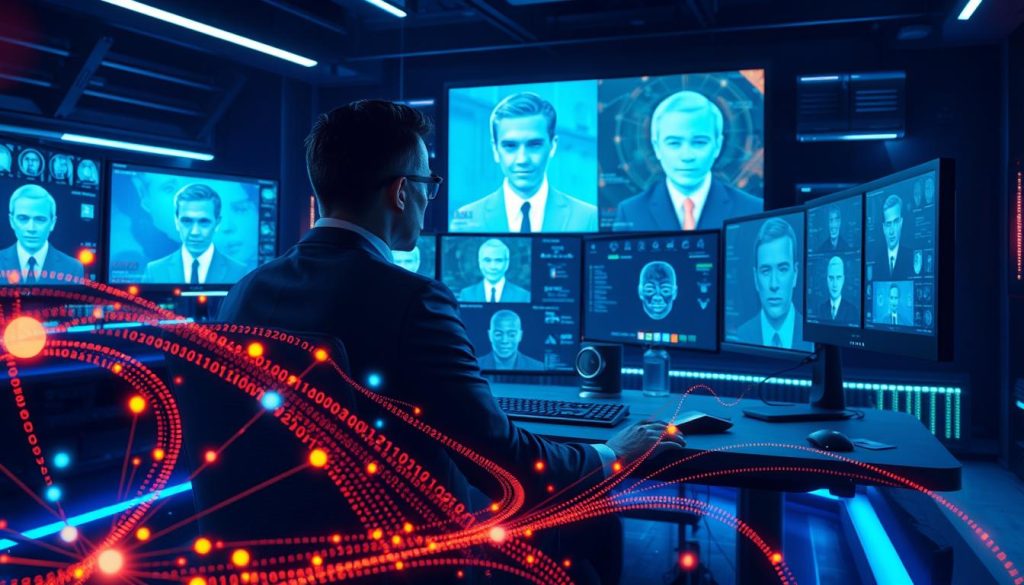
Several emerging trends are likely to influence the future of deepfakes. One significant trend is the improvement in deepfake algorithms, making it increasingly difficult to distinguish between real and manipulated content. Another trend is the growing use of deepfakes in various industries, including entertainment, education, and advertising.
The entertainment industry, for instance, is already leveraging deepfakes to create more realistic special effects and to revive deceased actors. In education, deepfakes can be used to create interactive learning experiences. However, these trends also raise concerns about the potential misuse of deepfake technology.
Potential Regulations and Safeguards
To mitigate the risks associated with deepfakes, governments and regulatory bodies are exploring potential regulations and safeguards. These may include laws requiring the disclosure of deepfake content, stricter guidelines for the use of deepfakes in advertising and political campaigns, and the development of technologies to detect deepfakes.
A key aspect of regulating deepfakes is the development of effective detection tools. Researchers are working on improving deepfake detection algorithms to keep pace with the evolving nature of deepfake technology. Additionally, there is a growing emphasis on media literacy and public awareness campaigns to educate people about the potential risks and benefits of deepfakes.
| Trend/Regulation | Description | Potential Impact |
|---|---|---|
| Improved Deepfake Algorithms | Advancements in AI and machine learning | Increased realism, potential for greater misuse |
| Regulatory Disclosure | Laws requiring disclosure of deepfake content | Greater transparency, reduced misinformation |
| Deepfake Detection Tools | Technologies to identify deepfake content | Enhanced ability to combat misinformation |
Ethical Considerations
Deepfakes have raised significant ethical concerns, challenging our understanding of truth and authenticity in digital media. As we navigate this complex landscape, it’s crucial to examine the ethical dimensions of deepfakes, including their morality and impact on public perception.
The Morality of Deepfake Technology
The morality of deepfake technology is a multifaceted issue. On one hand, deepfakes have the potential to revolutionize entertainment, education, and other fields by offering new ways to create engaging content. On the other hand, they pose significant risks, such as spreading misinformation and violating individuals’ privacy. The ethical challenge lies in balancing the benefits of deepfakes with their potential harms.
Key ethical considerations include:
- The potential for deepfakes to be used in spreading misinformation or propaganda.
- The impact on individuals whose likenesses are used in deepfakes without their consent.
- The need for transparency and accountability in the creation and dissemination of deepfakes.
Public Perception and Responsibility
Public perception of deepfakes varies widely, with some people being highly skeptical of the authenticity of digital media, while others remain largely unaware of the potential for manipulation. It’s essential for creators and consumers of deepfakes to understand their responsibilities in mitigating the negative impacts of this technology.
Responsible practices include:
- Clearly labeling deepfakes to distinguish them from authentic content.
- Implementing robust verification processes to ensure the accuracy of digital media.
- Promoting media literacy among consumers to help them critically evaluate the content they encounter.
By addressing the ethical considerations surrounding deepfakes, we can work towards minimizing their risks and maximizing their benefits. This involves a collaborative effort from creators, consumers, and regulators to ensure that deepfake technology is developed and used responsibly.
Deepfake Art: Creativity or Deceit?
As deepfake software becomes more accessible, artists are leveraging this technology to push the boundaries of art. This emerging trend has sparked intense debates about the creative potential of deepfakes and their ethical implications.
The Rise of Deepfake Artists
The use of deepfake generators has enabled artists to create complex, layered works that challenge traditional notions of authenticity. By manipulating digital images and videos, artists can now produce pieces that are both visually striking and thought-provoking.
Deepfake artists are exploring various themes, from social commentary to abstract art, utilizing the technology to convey messages in innovative ways. This has led to a new wave of creativity, with deepfakes serving as a tool for artistic expression.
Debates in the Art Community
The art community is divided on the issue of deepfakes. Some view it as a revolutionary tool that expands the possibilities of art, while others see it as a threat to the authenticity and value of artistic work.
The debate centers around the question of whether deepfakes represent a genuine form of artistic expression or if they are merely a form of deceit. As the technology continues to evolve, it is likely that this debate will intensify, with implications for how we perceive and understand art in the digital age.
Ultimately, the use of deepfakes in art challenges our perceptions of creativity, authenticity, and the role of technology in shaping artistic expression. As we navigate this new landscape, it is crucial to consider both the creative potential and the ethical implications of this emerging art form.
The Science Behind Deepfake Technology
To understand deepfakes, it’s essential to delve into the deepfake algorithm and the technology that powers them. Deepfake technology relies on advanced neural networks and Generative Adversarial Networks (GANs). These technologies enable the creation of highly realistic synthetic media by learning from vast datasets.
Understanding Neural Networks
Neural networks are a fundamental component of deepfake technology. They are modeled after the human brain and consist of layers of interconnected nodes or “neurons.” These networks are trained on large datasets, allowing them to learn patterns and make predictions.
The process involves:
- Data collection: Gathering a vast amount of data, such as images or videos.
- Training: Using the collected data to train the neural network.
- Generation: Creating new content based on the learned patterns.
The Role of Generative Adversarial Networks
Generative Adversarial Networks (GANs) play a crucial role in deepfake creation. GANs consist of two neural networks that work together: a generator and a discriminator.
The generator creates synthetic content, while the discriminator evaluates it, determining whether it’s realistic or not. Through this adversarial process, the generator improves, producing more realistic deepfakes.
Key aspects of GANs include:
- The generator network creates synthetic data.
- The discriminator network assesses the generated data.
- The adversarial process refines the generator’s output.
Understanding the science behind deepfake technology provides insight into their capabilities and limitations. As deepfakes continue to evolve, grasping the underlying technology is crucial for both creators and consumers of digital media.
Combating Negative Impacts
Mitigating the adverse effects of deepfakes demands a concerted effort from various stakeholders. As deepfakes continue to evolve, it’s crucial to develop and implement effective strategies to counter their harmful effects.
Awareness and Education Strategies
One of the key approaches to combating deepfakes is through awareness and education. By educating the public about the potential risks and consequences of deepfakes, we can reduce their impact. This includes promoting digital literacy and critical thinking skills to help individuals identify and evaluate deepfakes.
Some effective strategies for awareness and education include:
- Developing educational programs and workshops
- Creating public awareness campaigns
- Collaborating with influencers and thought leaders to spread the word
Industry Collaborations
Industry collaborations play a vital role in combating deepfakes. By working together, technology companies, researchers, and policymakers can share knowledge, develop deepfake detection tools, and establish best practices for mitigating the risks associated with deepfakes.
A notable example of industry collaboration is the development of the Deepfake Detection Challenge dataset, which provides a comprehensive resource for training and evaluating deepfake detection models.
| Industry Collaboration | Description | Benefits |
|---|---|---|
| Deepfake Detection Challenge | A dataset for training and evaluating deepfake detection models | Improved detection accuracy, shared knowledge |
| Research Partnerships | Collaborations between technology companies and research institutions | Advancements in deepfake detection, new technologies |
| Policy Initiatives | Efforts to establish regulations and guidelines for deepfake use | Clearer guidelines, reduced misuse |
By combining awareness and education strategies with industry collaborations, we can effectively combat the negative impacts of deepfakes and create a safer digital environment.
Real-World Examples of Deepfakes
Deepfakes have become a significant concern globally, with numerous high-profile cases highlighting their potential impact. These cases have not only demonstrated the technology’s capabilities but also raised concerns about its misuse.
Notable Incidents
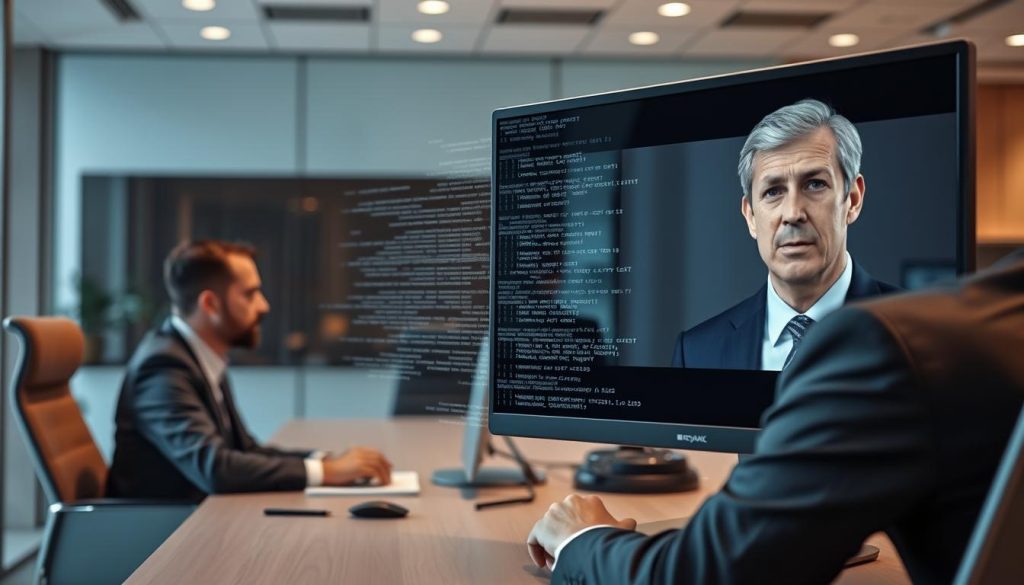
Several high-profile deepfake incidents have made international headlines. For instance, a deepfake video of a well-known political figure was circulated, sparking debates about the authenticity of digital content. Such incidents underscore the need for effective detection and mitigation strategies.
Another notable case involved a deepfake video of a celebrity, which was widely shared on social media platforms. This incident highlighted the potential for deepfakes to be used for malicious purposes, such as spreading misinformation or damaging reputations.
Key Takeaways
Examining these high-profile cases provides valuable insights into the potential consequences of deepfakes. One key lesson is the importance of public awareness and education in combating the negative impacts of deepfakes. By understanding the technology and its potential risks, individuals can better navigate the digital landscape.
Furthermore, these incidents have prompted calls for stricter regulations and more effective detection tools. As deepfake technology continues to evolve, it is crucial that we develop strategies to mitigate its potential harms.
The study of real-world deepfake cases serves as a reminder of the need for ongoing vigilance in the digital age. By learning from these incidents, we can work towards creating a safer and more informed online community.
Conclusion: Navigating the Deepfake Landscape
As deepfakes continue to evolve and become more sophisticated, understanding their implications is crucial for individuals and society as a whole. The technology behind deepfakes has the potential to revolutionize various industries, but it also poses significant risks, including misinformation and privacy violations.
Staying Ahead of the Curve
To navigate this complex landscape, it’s essential to stay informed about the latest developments in deepfake technology. This includes being aware of the tools and techniques used to create and detect deepfakes, as well as the legal and ethical considerations surrounding their use.
Empowering Digital Literacy
Developing digital literacy is critical in mitigating the negative impacts of deepfakes. By educating individuals about the potential risks and benefits of deepfake technology, we can empower them to make informed decisions and critically evaluate the information they consume online.